The Cultivation of Jamaican Coffee: How It’s Grown and Perfected

When I think about the journey of coffee from seed to cup, few stories captivate me like the cultivation of Jamaica Blue Mountain coffee. This isn’t just any coffee. It’s a symbol of tradition, quality, and a deep connection to the land and people who nurture it. If you’ve ever wondered what makes this coffee so special, you’re in for a treat. Let’s dive into the fascinating process behind one of the world’s most sought-after brews.
The Unique Environment for Cultivation of Jamaican Coffee
The secret to exceptional coffee starts with the environment. Jamaican coffee thrives in the Blue Mountains, a region known for its cool temperatures, misty air, and rich, volcanic soil. These conditions create the perfect microclimate for coffee plants to flourish.
The altitude here ranges from 3,000 to 5,000 feet above sea level. This elevation slows the growth of coffee cherries, allowing them to develop more complex flavors. The cool mountain air also reduces pests and diseases, which means fewer chemicals are needed. This natural balance is a big part of why the coffee tastes so clean and vibrant.
Farmers carefully select the best plots on steep slopes where drainage is excellent. The soil’s mineral content nourishes the plants, while the frequent mist keeps the beans hydrated without waterlogging the roots. This delicate balance is crucial for producing coffee with that signature smoothness and bright acidity.

How Jamaican Coffee is Grown: From Seed to Cherry
Growing coffee in Jamaica is a labor of love. It all begins with handpicked seeds from the healthiest coffee cherries. These seeds are nurtured in shaded nurseries for about six months until they sprout into strong seedlings.
Once ready, the seedlings are transplanted to the mountainside. Farmers plant them under the canopy of native trees, which provide shade and protect the young plants from harsh sunlight. This shade-grown method helps maintain soil moisture and supports biodiversity.
Throughout the year, farmers prune the coffee plants to encourage healthy growth and better air circulation. They also monitor the plants closely for pests and diseases, using organic methods whenever possible to keep the coffee pure and natural.
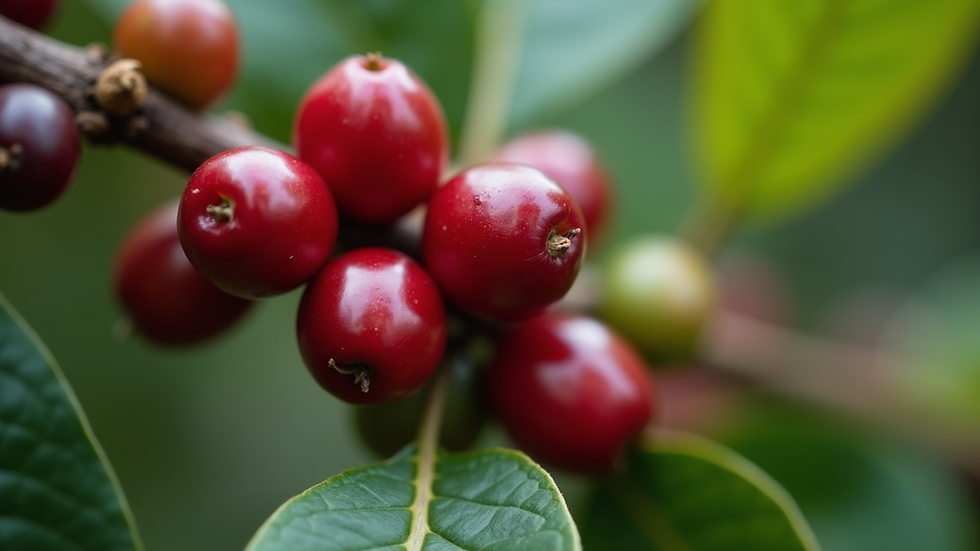
When the cherries turn a bright red, it’s time for harvest. This is a meticulous process because only the ripest cherries produce the best flavor. Pickers hand-select each cherry, often making multiple passes through the fields to ensure quality.
The Art of Processing and Perfecting the Beans
Harvesting is just the beginning. The next step is processing, which greatly influences the final taste. In Jamaica, the wet processing method is preferred. This involves removing the outer skin and pulp from the cherries soon after picking.
The beans are then fermented in water for 12 to 24 hours to break down the mucilage layer. After fermentation, they are washed thoroughly and dried on raised beds under the sun. This drying process can take up to two weeks, during which the beans are regularly turned to ensure even drying.
Once dried, the beans are hulled to remove the parchment layer, sorted by size and density, and graded. Only the top grades make it to the market as premium Jamaica Blue Mountain coffee. This careful selection guarantees a consistent, high-quality product.
Roasting is the final step where the magic really happens. Expert roasters bring out the beans’ natural sweetness, floral notes, and mild acidity. The goal is to highlight the coffee’s unique characteristics without overpowering them.
Which Coffee is Best for GERD?
For those who suffer from GERD (gastroesophageal reflux disease), choosing the right coffee can be tricky. Acidic and dark-roasted coffees often trigger symptoms, so it’s important to find a gentler option.
Light to medium roasts are generally better tolerated because they have lower acidity. Additionally, coffee grown at higher altitudes, like Jamaican coffee, tends to have a smoother profile with less bitterness. This can make it easier on the stomach.
If you’re sensitive, try brewing methods that reduce acidity, such as cold brew or using a French press. Also, avoid drinking coffee on an empty stomach and consider limiting your intake to one or two cups a day.
Supporting Farmers and Ethical Sourcing in Jamaica Blue Mountain Coffee
One of the most inspiring parts of the Jamaican coffee story is the commitment to ethical sourcing. Many farmers in the Blue Mountains work small plots passed down through generations. Their livelihoods depend on producing the best coffee possible.
By choosing authentic Jamaican coffee, you’re supporting these farmers directly. Fair trade practices ensure they receive a fair price, which helps improve their communities and sustain their farms. This economic empowerment is vital for preserving the tradition and quality of this coffee.
Moreover, sustainable farming practices protect the environment. Shade-grown coffee supports local wildlife and maintains soil health. It’s a win-win for the planet and the people who call the Blue Mountains home.
Bringing the Taste of Jamaica to Your Cup
Enjoying a cup of Jamaican Blue Mountain coffee is more than just savoring a beverage. It’s experiencing the dedication, culture, and natural beauty of a unique place. From the mountain slopes to your morning routine, every sip tells a story.
If you want to taste the difference, look for coffee that is certified authentic and sourced responsibly. Freshness matters too, so buy whole beans and grind them just before brewing. Experiment with different brewing methods to find your perfect cup.
Whether you prefer a bright, floral drip coffee or a rich espresso, Jamaican coffee offers a flavor profile that’s both refined and approachable. It’s a true delight for anyone who appreciates premium coffee.
The journey of Jamaican coffee is a testament to patience, care, and respect for nature. It’s a craft perfected over centuries, and every cup is a celebration of that heritage. So next time you brew a cup, remember the mountains, the farmers, and the passion that make it so special. Cheers to great coffee and the stories it brings!


Jamaica Blue Mountain coffee is the best coffee I ever had